
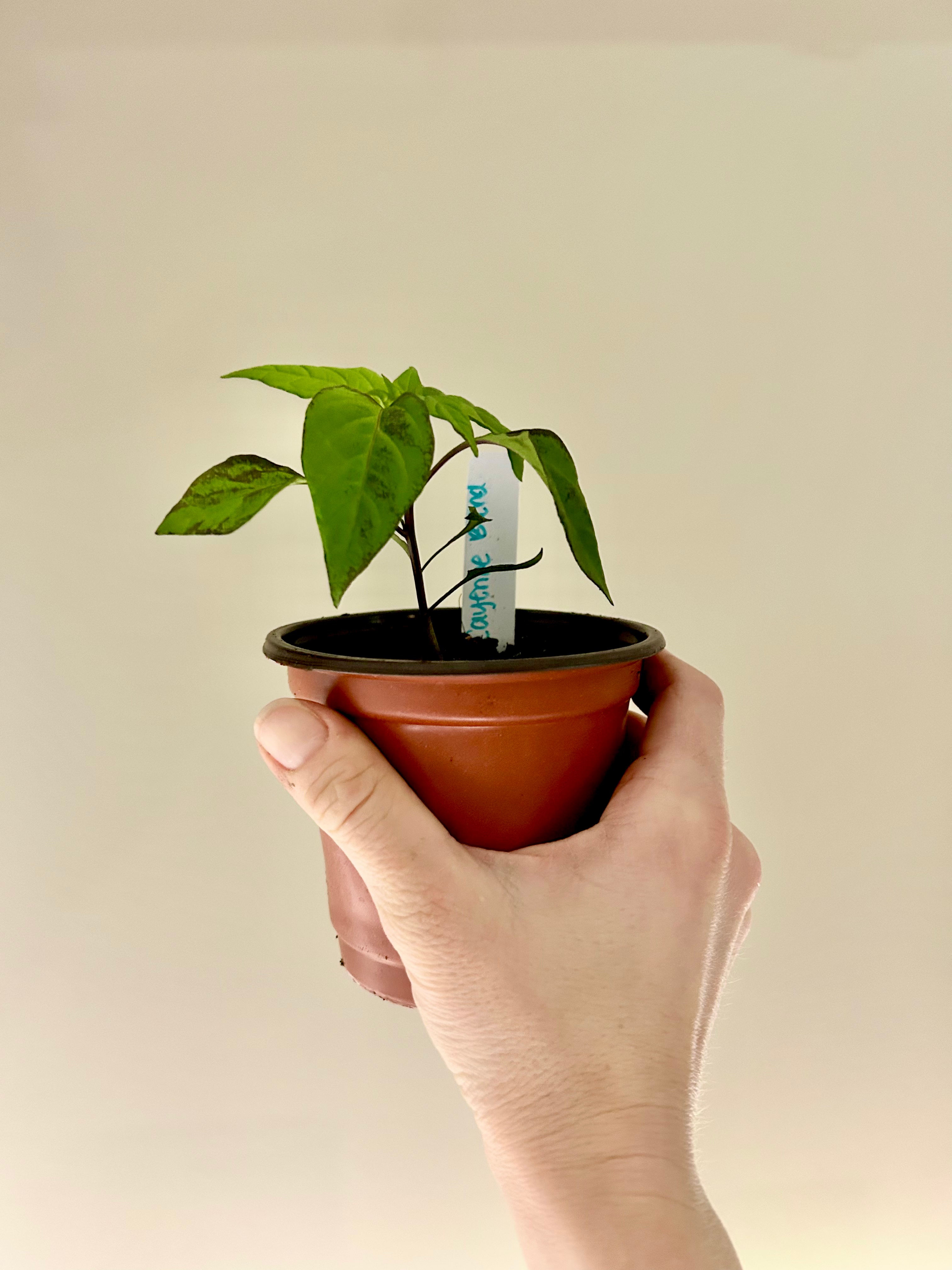
When I was a kid I always told my parents I’d have a farm. I don’t know why, I just loved that idea! Now today, I still don’t have my farm. But I do have my tiny 1/3 of an acre homestead… if you can even call it that. I live in one of the only HOA neighborhoods in the country suburbs in MO.
When I bought my first house before I owned this one, I attempted to garden. Everything I planted died. I just plopped all of the plants I purchased into the ground and thought they’d grow! Then, I decided to try indoor plants years later, everything once again… died.
Finally two years ago when we moved to MO I decided I’d give it another go. I began researching to figure out how to not kill everything I planted.
That year was pretty successful! I grew more plants than I expected to, and then the hunt was on. I wanted to jump in and do more! Being outside, and having my hands in the dirt was very relaxing and something I enjoy. And then I began watching what I put my hands to flourish, so it was also rewarding!
The following year I decided to start my plants from seeds. Luckily my local library had free seeds for its members. I’m pretty sure every time I walked in they probably thought, “Here comes the crazy seed lady.” Because I took so many different types of seeds. I was determined to learn and so I began experimenting. Unfortunately, at that point I didn’t know how to harden off my seeds properly. The wind stunted most of what I grew from seed. Once again, this was a learning experience. I ended up purchasing plants from the nursery that year to fill up my garden beds.

- Number 1: What is your hardiness zone?
Essentially you want know what your hardiness zone is because this typically will determine what types of plants you want to be planting in your area. Especially if you are looking to plant something that will come back year after year.
For example, lemon plants don’t typically like growing in weather lower than 45 degrees. Most places in the world fall under 45 degrees in the winter. If looking to purchase a lemon tree or bush that you want to plant outside, you want to make sure to check if your zone falls into the spectrum on the tag of the plant. Otherwise, if you still want a lemon tree, you have to know that you’ll be bringing the plant inside once the temperatures outside drop.
I personally am in the zone 6a. Which means that a lemon tree would never survive the winter outside where I live. I do have a lemon bush, but I have to bring it inside as soon as I see the weather getting to the lower forties’ in the fall.
This can matter in many ways, but ultimately this will matter most if you’re looking to have perennial plants that come back every year. This information can also be found on the tag of the plant! Every plant will have information on if its a perennial-comes back year after year or an annual plant. If the plant is a perennial, it will only come back if your zoning number falls within the numbers on the tag of the plant. If you don’t know your growing zone number all you have to do is look up your zip code and growing zone and you should get the information you’re looking for.

- Number 2: You want to know what the average last frost date and first frost date are.
This will give you information for a few things. Your last frost date will give you the first average date that you’d typically be putting most plants into the ground. This is a countdown that you want to count from when looking at your seed packets. To see how many weeks out you need to start your seeds from that last frost date. Those dates aren’t final but they are a good goal date to set for yourself when starting seeds.
The first frost date will typically be in the fall or the winter (depending on your zone). This frost date will tell you when your last growing day is on average. This will show you how long you have to grow. That average first frost date will tell you approximately when you’re pulling most of or all of the plants that you have out of your garden. This is going to typically be your biggest harvest of the year.
- Number 3: You want to know what you want to grow.
Are you going a little wild and trying to grow everything you can get your hands on like I did? Or are you sticking to what you love?
Every seed type has different preferences. When you know what you want to grow ahead of time, you’re able to prepare the best atmosphere for each of those plants.
Not only that, but the amount of time each seedling needs inside differs. Some don’t need any time getting started inside and prefer to be direct sown like carrots, beets, and squash. While others need time in seedling trays or greenhouse spaces before they’re placed into the garden like peppers, tomatoes, and eggplants.
Once you narrow what you want to grow, that seed pack will help you determine how long in advance to start the seeds. Usually the seed pack will tell you how many weeks ahead of time to start the seedlings inside. Or it will tell you when to directly sow the seeds into the ground if that’s the preferred method for that plant.
This can be overwhelming at first. But it’s not as scary as it looks!
- Number 4: You want to know whether the plants you want to plant love colder weather or warmer weather.
What you don’t want to do is to plant a cold loving plant into the ground during the hottest part of your summer. Nor do you want to plant a heat loving plant in the ground when the soil isn’t warm enough. Once you learn this list, you’ll be able to decipher approximately when you want to be planting each type of plant.
For example: when the weather where I am is above the 30’s typically and won’t be dipping under 28, I plant carrots. Carrots don’t love the heat. They can typically live and thrive in colder weather down to 28 degrees Fahrenheit. Whereas for peppers, I wait until I don’t see the weather dipping under 45 degrees. This is because they love warm soil and hot weather. Each plant has its preferences. The more you know, the more you’re able to play with your planting. I’ve accumulated a list of the cold loving plants, and warm loving plants. You can download it in a PDF as well here.

Be on the look out for the Art of Seed Starting 2 coming out soon!
Happy planting



Leave a Reply