
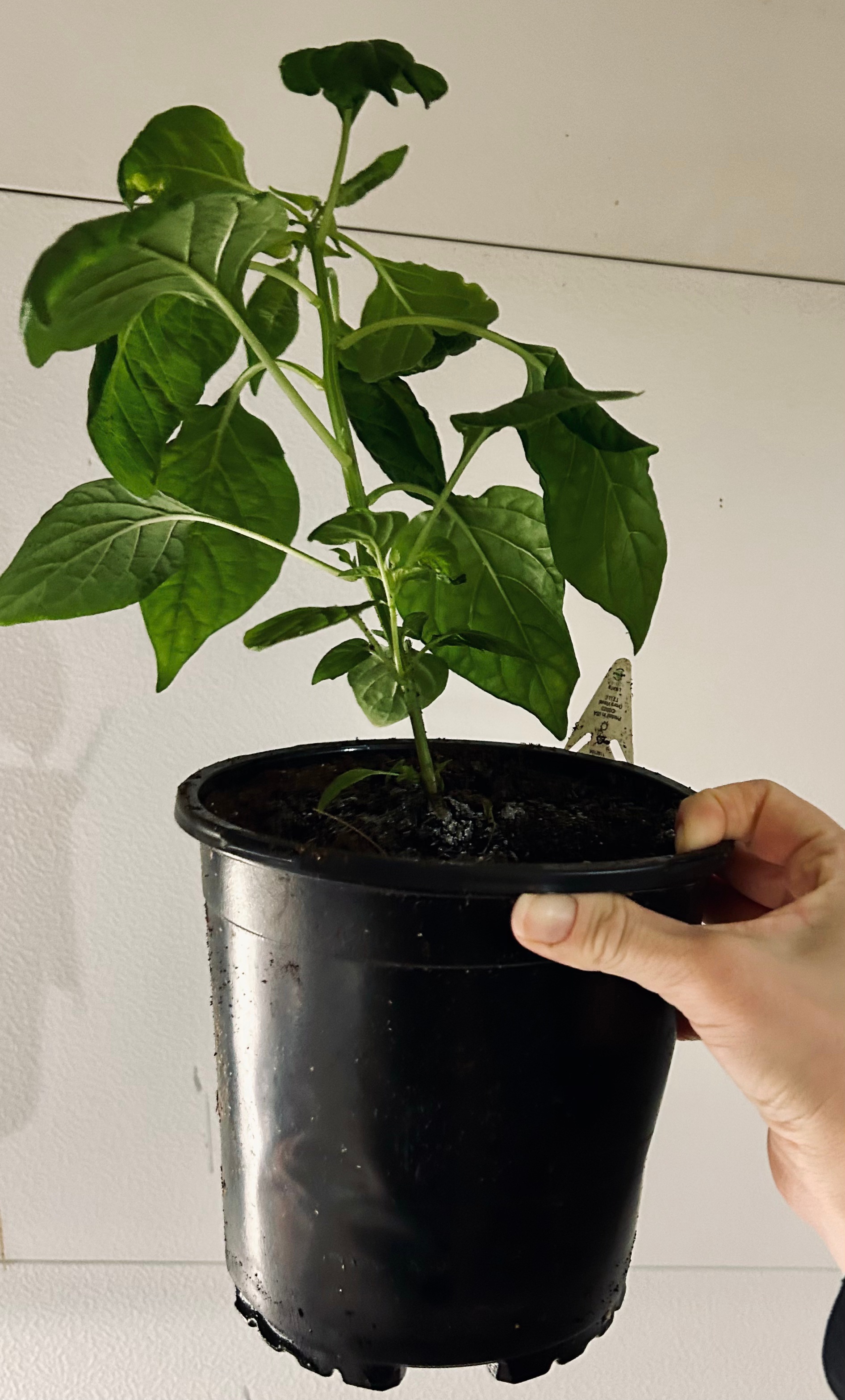
It’s official, we’re germinating.
Here we go! Now we break things down and start.
I think the biggest thing to understand about seeds is that it’s simple. Seeds want to be moist in order to sprout. Some seeds really benefit from soaking them for 24 hours or so. If you do this before putting them in soil, it can help them sprout more easily. Others are simple and will do just fine being put into some nice and moist soil.

I think the first thing to consider is: Does the seedling need light or darkness to germinate?
Yes, some seeds prefer the dark to grow.
Here is a list of the seedlings that prefer darkness to germinate. Otherwise you can count on the fact that seeds will sprout under light.

Next thing you want to consider: What is the planting depth of each seed?
My personal rule I go by, is that the smaller the seed, the closer to the soil surface it goes. The larger the seed, the deeper it’s planted.
For example, most herb seeds like basil, oregano, rosemary, etc. are TINY. So I simply sow them on the surface of the soil.
Whereas, a pepper seed is larger. Those seeds I’ll plant about 1/4 of an inch or so into the soil to germinate.
You can typically find how deep to plant each seed on the seed packet. And that is a good starting point. But over time, you can have your own methods as you get more comfortable.
For example, on the seed packet of most carrots it states to plant 1/4 of an inch deep. I sprinkle my carrot seeds directly onto the soil. First of all they are very small seeds. Second of all, once water hits them they will go deeper into the soil. Which I’m assuming will end up being at about 1/4 of an inch. I have had great success doing it this way. And I plan on continuing to do it this way for many years.
Lastly, in order for a seed to germinate you need to keep the soil moist. If your soil dries out, your seed will dry out. Losing its ability to grow. This is why I use the seed starting trays that stay moistened from the bottom. As long as those things have water on the bottom, the material will stay moist. Then transferring that water keeping the soil wet. Perfectly creating the circumstances needed for the seedling.
Yet at the same time it doesn’t drown the seedling out and cause dampness and possibly killing the seedling. Bottom watering prevents the seedling from drowning, and having the dampening disease happen. It also pushes your plant to grow roots more vigorous to reach the water and the nutrients at the bottom.
A side note.
My first year of starting seeds I didn’t know that most people fertilize their seedlings. If you are buying seed starting soil, it’s a great idea because you will not get as many fungal gnats. Whereas other soils that you buy aren’t purified and have those eggs, in the soil mix. Down side of seed starting soil mix is that there is no nutrition in the mix. Because it’s been removed by the purifying process. So about two weeks after your seeds have began to grow slowly add fertilizer to the plant.
I personally use liquid fertilizer that I add little amounts of to the water at the bottom of my trays. This way, the fertilizer spreads throughout the whole tray and all of the seedlings get that fertilization.

My first year of starting seeds because I did not fertilize the seeds two weeks after they sprouted. Because of this, I watched them struggle to grow past the two leaf point. Whereas now I have no issues at all, and the plants have never looked better.
This is my current station above, picture taken yesterday. It’s not warm enough in my climate just yet to take the pepper seeds out who love heat. Hopefully within the next few weeks, I’ll be able to harden these plants off and prepare them to go outside. But for now I am definitely enjoying looking at them inside.
Til next time!
Happy gardening!


Leave a Reply